Thursday, 25 September 2025

Super Saturday

I don't get as many opportunities to visit Beddington Farmlands than I used to now that I am mostly living and working up in Yorkshire, so on my occasional visits down south to see family, I also try to maximise my time birding there. I travelled down on Friday after completing my survey work for the week. This unfortunately meant that I missed the 3rd site record of Grey Phalarope, which was found on Wednesday and last seen Thursday evening. However, the wind conditions for the weekend looked ideal, so I was hopeful that something else good might turn up. I only had until the Tuesday, but the forecast was showing that the wind would stay NE for a few more days after that. However, the only day that wasn't sunny whilst I was around was the Saturday, and it is well-known that low cloud can make things much better in a NE wind at this time of year. Therefore, I knew Saturday was going to be my best bet for finding something decent, but I had no idea how good the day would end up being.

I got to site early, entering through Mile Road gate at around 06:45. One of the first birds I saw was a Pintail flying about, last seen heading south. Not a species I had expected to see, and one that is not always guaranteed here. Autumn is usually the best time to see them at Beddington. Shortly afterwards, I bumped into Ian Jones on my way towards the "vismig" hide. He decided to tag along, and we spent the next hour and a half counting the southwards movement of Meadow Pipits and Swallows. Passage seemed to start to slow down a bit just after 08:30, so Ian suggested that we go across the mound and check the Phase 3 Wet Grassland area. Our stroll across the mound took a while, as every so often there were still flocks of Meadow Pipits passing over. Just as we got to Phase 3, some darker low cloud rolled in from the south and put a stop to the movement of Meadow Pipits. Instead, they actually started dropping down and gathering near us on the mound, feeding on the ground and sheltering in the copses.

A short while later, I happened to look up and spot a low-flying Tern above us. Even with my naked eye I could tell it was a juvenile Common Tern as it was so low! Seeing plenty of Terns recently at Spurn definitely helped make the identification of the Beddington bird much easier, as usually I take a lot longer to decide between Arctic and Common Tern when at Beddington, due to all Tern species being irregular/scarcely seen.

About half an hour later, as we walked near the Enclosed Lagoon, Ian spotted a juvenile Ruff in flight. It dropped down onto Phase 3 and began energetically feeding. It has been quite a good year for Ruff onsite, with a mix of both spring and autumn records. When we then headed back up onto the mound, we heard a Tree Pipit calling from a copse, and managed to catch a fleeting glimpse of it as it flew around with a flock of Meadow Pipit. At the same time, I heard a Ringed Plover call about 8 times. It seemed to be flying south but we never managed to spot it.

Once back at the vismig hide, it was clear that the passage of commoner species had entirely stopped. I decided to scope the treeline and other vegetation behind the Sand Martin Bank. I saw a couple of Blackcap and other warblers flicking about, so we decided to head down and check the area to see what else was about, hoping for a Spotted Flycatcher or Redstart. We only ever managed Blackcaps and Chiffchaffs, but it was good to see some warbler activity. We then proceeded to skywatch from the Sand Martin Bank.

Not much was happening and Ian had to leave at midday. Given how many good things we had already seen, I thought we had "lucked out", but decided to stay an extra half an hour just in case anything else came in. But what I saw next was totally unexpected. Just 12 minutes after Ian had left, I spotted a large raptor heading south west straight towards me. I am not quite sure what about it alerted me to it being different initially, but I stayed on the bird through binoculars. As it got closer, it became more and more clear that it may be something different to the usual Common Buzzards. I attempted to get my scope on it, but the steep upwards angle meant I was off balance and so viewing was not great. Instead, I grabbed my camera and started taking a few pics, which helped confirm what I thought I was seeing. This raptor had a very interesting shape to it. I continued to take photos, but my settings were not quite right and the light was shockingly poor. It took three minutes to pass over me, plenty of time to assess what I was seeing, and also not too high. I was pretty sure I was watching a Honey Buzzard!

Despite prolonged and good views, the usual self-doubt started to creep in. Was I sure enough to put the news out straight away? I had seen plenty of adult Honey Buzzards when out at Skagen in Denmark two years ago, but this bird looked like a juvenile. I had never seen a juvenile before. I sent an underexposed back of camera photo to Dodge, who I had just been messaging, and purely said "I cannot figure this out". I was starting to convince myself I had imagined it and it was just a Common Buzzard. Dodge asked for another pic, and then brightened them up for me, before sending them back. The features were now clearer to see - the yellow cere was particularly conspicuous. Nonetheless, I still did not have full confidence to put the news out, so I sent the now lightened back of camera shots to a few other birders, who all agreed it was a dark morph juvenile Honey Buzzard. I then put the news out, but by this point half an hour had passed since I had seen the bird. Thankfully, there was no one else onsite so no one missed it due to my delayed news.

Once I got back home and reviewed the pics once more, I really started kicking myself that I had not just been more confident and trusted my gut. Why did I try so hard to convince myself I had got it wrong to begin with? I quite like the fact that as a birder, I do often second guess myself and double check things, but sometimes, like in this scenario, it becomes a problem and I talk myself out of good birds. But anyways, it was a fantastic bird to top off an already amazing day. It is the first confirmed record since 2016 and my 164th species at Beddington Farmlands!

Full eBird list HERE.

Dark morph juvenile Honey Buzzard below:
Dark morph juvenile Honey Buzzard
The moment I first decided to take a photo, already showing distinctive shape compared to Common Buzzard

Dark morph juvenile Honey Buzzard
Shape becoming more obvious throughout series of photos

Dark morph juvenile Honey Buzzard

Dark morph juvenile Honey Buzzard

Dark morph juvenile Honey Buzzard
Features become more obvious

Dark morph juvenile Honey Buzzard

Dark morph juvenile Honey Buzzard

Friday, 21 March 2025

Life Update and East Yorkshire Birding

I have finally got around to doing a blog post after far too long away from it. A lot has happened, positive and negative, but the not-too-distant future looks promising.

So where to start... Spring at Spurn was tough. I was the only residential volunteer for the season and that meant doing almost all of the point count surveys. Because there were not enough volunteers to cover both the Triangle and Peninsula point counts, the Triangle took priority. Having walked the Triangle almost every morning between mid-March and mid-June, by the end I had got a bit bored of it. There were barely any common birds (the main focus of point counts) and I was walking the exact same route each morning. For the first time ever, birding felt almost like a chore. I became desensitised to missing good birds, which in all honesty helps when it comes to doing point counts because you can't leave halfway through one anyways. However, it wasn't all bad: I was still out and getting fresh air; still admiring the true scenic beauty of Spurn; bumping into people and having friendly chats and catch-ups. Despite the lack of common migrants, I was spoilt with the amount of rare birds I managed to see during this time, both during point counts and around other tasks. Woodlarks, Green-winged Teals, Scaup, Golden Oriole, Montagu's Harriers, Collared Flycatcher, Bee-eater, Blyth's Reed Warbler, Rosefinch, Stone-curlew, and Turtle Dove were the main highlights.

Then it was onto the Little Tern colony and monitoring their success at Beacon Ponds. Joined by a fantastic team, we managed to help the Little Terns fledge a total of 85 young from 59 pairs in an extremely tough season. This was the second-best total, after 2023's record! Some wader species also use Beacon Ponds to breed and this season saw 8 Avocet and 22 Ringed Plover fledge. The Tern Wardens (Bethan Clyne, Joe Griffin and Harry Coghill) and fellow volunteers Eva Finney, Tate Lloyd and Emma Rigate (plus locals Richard Boon and Georgia French) all played their part ensuring that it was a successful season and when faced with the challenges of predation and human disturbance they all did very well. I am proud to say that I was a part of the 2024 Little Tern team and they all should be too. During our time as Little Tern Wardens and volunteers there were some more superb rarities, including Least Sandpiper, Gull-billed Tern, Black-winged Pratincole, Sabine's Gull and Stilt Sandpiper - all of which were seen on either Kilnsea Wetlands or Beacon Ponds at some stage.

Once the Little Tern season was over, it was time to go back to doing point counts and other observatory related tasks for the autumn season. Thankfully, I was not the only autumn residential volunteer, and I was joined by Colin Teal, Matt Binding, and Matt Livsey - all of which were great to have around! This meant I got to also do point counts down the peninsula and have more free time for myself to both bird and relax. Throughout the autumn we were all spoilt to some class birds. We all had so many leaf warblers, including my first ever Greenish, Hume's, and Pallas's Warbler, plus Arctic Warblers. We also managed to successfully group-twitch the Bempton Pale-legged Leaf Warbler!! The male Stejneger's Stonechat at Middle Camp in September was a beautiful bird and I thoroughly enjoyed watching it. Other highlights included a male Red-breasted Flycatcher at Migfest, Red-backed Shrikes, Pallid Harrier, Honey Buzzard, and Shore Larks.

After starting my relationship with Bethan in June, by late August we decided to buy a caravan in the area. I spent the rest of the season still with the observatory but stayed in our new caravan. We instantly began adding to our garden list as we are interested to see what we may get in the next year or so. Over Migfest, we had Harry Coghill and his girlfriend Millie stay over, as well as Jonathan Dodds. Unfortunately, whilst staying in our caravan, Harry managed to grip us off by getting a few birds from the garden than Bethan and I missed! Thankfully nothing too rare though and so we should get them by Migfest 2025. Highlights of the autumn from the caravan included a regular pair of Tawny Owls, Hobby, Mediterranean Gulls, Tree Pipit, Spotted Flycatcher, Bullfinch, Blackcap, Lesser Whitethroat, Willow Warbler, Pink-footed Geese, Barn Owl, Brambling, Yellow-browed Warbler, Ring-necked Parakeet (worthy of going on the radio at Spurn), Whooper Swans, Tree Sparrow, and Jay - the latter of which stayed a few days and is not that common in the Spurn recording area. We ended 2024 with a garden list of 74 species.

Over the winter I stayed in Yorkshire at Bethan's and we both worked doing bird surveys, which was new to both of us but has been a great experience and we are lucky to have such a good job. It can be very peaceful walking farm fields with no one else in sight.

For Christmas we both headed down to London to stay with my mum and visit my Gran at her care home. I of course also went to Beddington Farmlands and dragged Bethan along with me, although rather surprisingly she quite enjoyed it! I showed her the classic winter birds of Beddington, including Green Sandpipers, Water Pipits and close views of Jack Snipe. It was also great to see the pair of Firecrest that were overwintering along the boundary with Beddington Park.

So far, 2025 has mostly been a mixture of survey work, birding in our own time, and being in and out of hospital as Bethan has been suffering with gallstones since November. She is awaiting keyhole surgery for removal of her gallbladder, but wait times are very long - on average three to six months, but potentially up to 18 months! Unfortunately, this means that she has to be very careful with what she eats, which is quite limiting. It is mostly a case of trial and error for some foods, but when she does have a flare-up it causes her extreme pain and discomfort, so we are hoping her surgery comes around sooner rather than later.

On Monday I head off to London for at least a week whilst Bethan continues working. It will be good to see my mum again and visit my gran, plus meet up with some friends. I am keeping my fingers crossed for a good bird or two at Beddington Farmlands too. I still have not seen a "proper" spring migrant yet this year. However, today there was a big push of some spring migrants and most notably a lot of Hoopoe and Black Redstart popping up in places. Birdguides reports show that an absolute minimum of 34 Hoopoe were found today, so hopefully one turns up at the Farm soon - it would be only the 5th site record!

Saturday, 23 March 2024

Patch Grippage!

Many of you that know me are aware of how obsessed I am with my patch, Beddington Farmlands. Obsessed in terms of rinsing it and seeing good birds, but also regarding its restoration, its future and its legacy. Today there have been several members of the BFBG on site and they have absolutely gripped me off this morning! Two patch ticks!! I cannot remember the last time it was possible for me to get two patch ticks in a day! Firstly, a Cattle Egret on Phase 1 Wet Grassland and North Lake. Visible from public hides too, which is brilliant. It's the 4th site record - see records on the website HERE. Then, an hour and a half later, they twisted the dagger... adult Kittiwake west. Ouch! First record since 2019. Also a patch tick for Steve Thomas (Tank) so I am glad he got onto it. So despite me being at Spurn (I know where most people would pick if given the option between Beddington or Spurn), it still hurts when a patch tick gets found.

But I cannot complain. Spurn is just fantastic. Even on quiet days there's plenty of birds to look at - waders on the Humber, mass movements and roosts of Starlings in the evening, Whooper Swans, lots of Brent Geese etc. There was a strong westerly wind yesterday and although the point counts around The Triangle were fairly quiet there was still a small scattering on Chiffchaff and Goldcrest in the bushes. I also saw my first Wheatear of the year, a stunning male, on the rocks along Canal Footpath. The other highlight was a Crossbill that I picked up on call going south over Cliff Farm. Jacob got on it down at The Warren too and it just carried on going. It was also a good day for raptors. I saw Red Kite, Buzzards, Sparrowhawks, Kestrel, and Merlin. The others had a Peregrine at The Warren. My full eBird list for yesterday can be seen HERE.

Today the strong westerly continues and actually picks up even more in the afternoon. Point counts were even quieter this morning but it was just nice to be out and about, as always. Having said that, a few more birds would have been a welcomed distraction from the good birds I am missing back home!

Thursday, 21 March 2024

Back at Spurn for Another Season

I am back volunteering at Spurn this year but this time I am doing the spring and summer rather than the autumn.. I did apply for the Assistant Warden role but just got trumped by Jacob Spinks. He has lived up at Spurn for the past six years and his knowledge of the area is impeccable. I know he is going to do a great job as the new AW. I am very pleased that I even managed to make it a close call between us and overall the application and interview process was all good experience - the second interview being my first ever in person.

I am looking forward to the season ahead, both in terms of birds that could turn up and also building up more experience so that I can become a stronger candidate for AW applications either here or at other bird observatories. Posts on social media and on this blog have been very slow over recent months, partly to do with having a broken camera lens and partly down to changes at home. However, I do intend to start posting more frequently again in the near future. By some time next week I should be able to take photos again, as thanks to Peter Alfrey I am getting a replacement second-hand lens. After so long being out without the option of taking photos with a camera I am excited to try out the new lens. Hopefully throughout the season it will come in handy when finding some rarities.

I have also started to learn to ring this time - something that I intended to do last autumn but never got round to. After ringing 19 birds in Skagen last summer I am keen to get under way again, with the eventual goal to obtain at least a C permit for ringing. Lots of bird observatories ask for this in AW and some volunteer job descriptions so it will be beneficial to me in that sense, but I am also looking forward to learning lots of new and interesting facts throughout the process - particularly how to age and sex different species. Paul Collins has been great at teaching me the very basics over the last couple of days.

After completing the point counts round The Triangle this morning I joined PC in Church Field. He had not caught much and was considering packing up for the day. Thankfully, he changed his mind so that I could do a few net rounds with him and soon there were more birds turning up in the nets. The star highlights included a female Firecrest and a male Brambling nearing summer plumage, along with several male Siskins, some Chiffchaffs, Redwings, Blackbirds, and Goldcrests etc.

Female Firecrest
Female Firecrest

Early afternoon Rob gave me a lift up to Withernsea so I could go food shopping. On the way back he (rather impressively) managed to pick out the Black Brant amongst the Brent Goose flock whilst driving along. I soon got onto the bird he was on and being my first ever view of one I was happy that I too could recognise the difference between it and the Dark-bellied Brents fairly easily. Over the next few days I will go and have another look to see if I can pick it out again without anyone's assistance.

Wednesday, 13 March 2024

Wader Day at Beddington Farmlands

On Friday I met up with Glenn at the Farmlands. He had timed his day off perfectly to make the most of the easterly winds. Most of the time, even when the conditions look good on paper, we end up standing there staring at am empty 'birdless' sky and find nothing of note on the deck. But this time were treated to a few different wader species. Firstly, Nick Gardner found a group of 4 Dunlin on the newly drained Enclosed Lagoon. Glenn and I were elsewhere on site but not too far away so we decided to head round there via Phase 3 Wet Grassland. Before we got there Nick then managed to find an Avocet on Phase 3! We had all separately scanned the area earlier in the morning so this bird was new in, which was a promising sign. It was also only my second Avocet for Beddington and the first for the site since spring 2022. Glenn and I were then shocked to find a Redshank right next to the Avocet! Where we were stood on the mound we could see the 4 Dunlin, Avocet and Redshank all at the same time. It was a great morning and it was the first time in a while were I felt a little bit anxious about having to leave the site before midday. Not much else was reported by others afterwards though. The trio of notable wader species stayed most of the day but by the evening both the Dunlin and Redshank had seemingly disappeared/ The Avocet was not present the following morning.

Avocet
Avocet


Monday, 18 September 2023

An Early Red-flanked Bluetail

It is just over a week since I arrived back at Spurn for another autumn as a residential volunteer. My first few days were focused on Migfest 2023 and helping out, where possible, to ensure the event ran as smoothly as possible. It was really great to see some familiar faces again over the weekend and have a good catch up - even when there are not so many scarce birds about Spurn is still great just from a social aspect too. One of the Friday evening talks (Stephen Menzie's educational "Beginners Guide to Moult") was temporarily disrupted when a Short-eared Owl flew over North Field and caused a lot of people to run out of the marquee for some views. However, it was on the Saturday evening that the weather became the disruption. I was sat in the Observatory when some lightning struck insanely close to the building (there is dispute as to where exactly it hit but the consensus seems to be near the pub somewhere). The result was a loud gun-like noise. The impact shook the building and all power was temporarily lost. Most of the lights came back on shortly after but some guests were saying that their lights were no longer working. It soon became apparent that most of Kilnsea had no power. Nonetheless, the Migfest team did a great job at keeping the lectures and other events going.

This past week has had some very quiet days but also some pretty decent days too. So far I have had eight Spurn ticks, four of which were lifers. Undoubtedly, this weekend just gone was the craziest couple of days yet. On Saturday morning I was walking along the Canal Footpath heading towards the Peninsula to do the point counts when I heard an unusual call coming from behind me. It sounded a bit like a weird Quail, which was the way my thought process was going until I realised it was something flying over. Frustratingly I never got onto the bird. I was hoping that I was not the only one to hear it and that maybe someone else had also managed to see it. Sure enough not long later Harry Appleyard appeared from round by the Discovery Centre and asked if I had it. Then Adam Hutt announced on the radio that he had picked up a wader with a call he had "never heard before" going low south past The Warren and down the Peninsula. At this point Harry said he had got a couple of record shots of the bird and so he sent those to Adam. Discussions were still happening on the radio so I asked Harry to suggest to Adam that I thought it sounded like an Upland Sandpiper. Harry then also showed me the pics and that confirmed my suspicions. About a minute later Adam came back on the radio to say that he had listened on Xeno Canto and it was definitely an Upland Sandpiper. Result! A first for Yorkshire that only a few people actually managed to see, but some more people were like me and only managed to hear it. On the same day at Middle Camp down the Peninsula I found a Lesser Stag Beetle, which also turned out to be a first for Spurn, so two firsts on the same day!

Yesterday did not have anything as rare as an Upland Sandpiper but there were plenty of scarce migrants around (the lack of common migrants is concerning though). I once again was doing point counts along the Peninsula. It was quite a strong easterly wind, which on paper looked promising, but equally made birding most of the Peninsula very difficult as most birds were sheltered away. I knew my best bet for finding something was right at the end of the Point. Thankfully once I got there it did not take me long to find my first Spotted Flycatcher of the autumn and then on the way back through that same path on my way back I found the first Yellow-browed Warbler of the autumn here. Jacob Spinks then took over and I headed back towards the Observatory. I hadn't made it far before he found a Barred Warbler, Pied Flycatcher, and 2 Redstart, all of which were along one of the only routes I did not walk. Things were also turning up back in Easington, Kilnsea and the Triangle, with 2 more Barred Warblers and 2 Red-breasted Flycatchers. I had seen on Birdguides that Fair Isle had got a very early Red-flanked Bluetail but I never expected there to be one here so early as well, but amazingly Andy Bunting found one in the 3rd Paddock at Sammy's Point. I was hoping to get one here last year but knew that I was leaving about a week too early as they are much more a classic October scarce migrant. Thankfully I managed to get brief but superb views of Andy's one, which definitely made up for not seeing any of the Barred Warblers or Red-breasted Flycatchers, and even helped heal the pain of the news that there was a Little Stint at Beddington Farmlands back home, which is a much wanted patch tick!

Highlights so far:

Long-tailed Tits (Spurn tick), Fieldfare (Spurn tick), Short-eared Owl, Lesser Redpolls, Barn Owls, Spoonbills, Great White Egret, Barred Warbler, Pied Flycatchers, Pink-footed Geese, Spotted Redshanks, Great Skuas, Little Gulls, Manx Shearwaters, Merlin, Curlew Sandpipers, Little Stints, Pectoral Sandpiper (lifer), Leach's Storm Petrel (lifer), Sooty Shearwaters, Crossbill (Spurn tick), Jack Snipe, Caspian Gulls, Black Terns, Shag (Spurn tick), Tree Pipit, Brent Geese, Upland Sandpiper (heard only, lifer), Yellow-browed Warbler, Spotted Flycatcher, Yellowhammers, Red-flanked Bluetail (lifer).

Merlin
Merlin

Pied Flycatcher
Pied Flycatcher

Juvenile Pectoral Sandpiper
Left to right: adult Little Stint, Dunlin, juvenile Pectoral Sandpiper and Curlew Sandpiper

Barn Owl

Barn Owls above and below

Barn Owl


Guillemot
Guillemot

Yellow-browed Warbler


Saturday, 26 August 2023

My First Views of Grasshopper Warbler

Yesterday morning I found a Grasshopper Warbler at Beddington Farmlands. I first heard it calling whilst it was still darkish at 05:40 but did not see it until 07:56. It is the first time I have seen one and I had only heard my first and only other one reeling here this spring. I even managed to get a few decent pics which I am happy about. Arjun came down a bit later in the morning and thankfully he managed to connect with it too. Unfortunately, Russ, who was on site as a volunteer to check on the three cattle we currently have on Phase 3 Wet Grassland, did not get to see it. I also had 4 Whinchat on the mound but they had disappeared before Arjun or Russ got there. However, we were all treated to some fabulous views of a Hobby hunting dragonflies overhead. Earlier in the morning a low flying hot air balloon caused chaos, flushing almost everything from the lakes. Even the Coots were worried and all moved to the far side of the lake. At one point the balloon came so low it appeared as though it was going to land on the mound and so it flushed up a Skylark too. Eventually everything settled back down and the 1st winter male Wigeon that was new in decided to stay despite the scare (interestingly since the event all the ducks seem to be extra skittish and flush up as soon as I come into sight).

Grasshopper Warbler below:

Grasshopper Warbler

Grasshopper Warbler

Grasshopper Warbler


Hobby

Hobby above and below. In the field I thought it was an adult bird but the photos show a brown wash to the remiges so it could be a 2cy autumn bird

Hobby

The day before yesterday I was welcomed by 18 Greylag Geese on the North Lake early morning. They had obviously roosted there but after about 30 minutes of light they decided to fly off south. I think 18 is my personal highest count of Greylags for Beddington. Rather worryingly none of them were visisble on the lake initially and I had only heard the odd call. I do wonder what else stays hidden if a whole group of geese can temporarily avoid being seen! I also had a flyover Tree Pipit that I only heard once but it was clear enough that I was happy to count it as one. There was only one spring record for the site this year, matching last year. There was also a small increase in Sedge Warblers with at least 5 across the southern two thirds of the site. I also accidentally found myself surrounded by Wasp Spiders whilst trying to find warblers along the east bank of South Lake.

Wasp Spider
Wasp Spider

Today I met up with Glenn for the first time since late April. It has been his biggest gap without a visit to the Farmlands for some years. It was good to have his company again, and we, along with my mum, had a flyover Tree Pipit (again not seen but this time I heard four calls), the 1st winter male Wigeon, 1 1st winter Whinchat, and 2 Willow Warbler in the copses on the mound. Once both Glenn and my mum had left I waited on the Sand Martin Bank for the thunderstorm to hit. As usual, the storm was a bit anticlimactic and mostly went around the site, but 2 Sand Martin did drop down almost as soon as the rain started. Once the rain stopped again 2 Swift flew low south. I have had a couple of days this week without any Swifts so they were nice to see.

Vestal Moth
Vestal Moth

Blood-vein Moth
Blood-vein Moth


Thursday, 27 July 2023

Skagen Write-up and Photo Gallery

I have finally sorted through all my photos from my fabulous time volunteering at Skagen Bird Observatory in Denmark and they can be seen below. I also did a write-up for Birdguides, which can be viewed here.

Previous blog posts covered my first few days at the observatory and the relevant photos have since been added. I'd like to thank everyone who made this possible for me and all the people that made my stay in Skagen the best I could have asked for! Also thanks Dante for letting me borrow his lens towards the end.

27th May:

Common Buzzard
Common Buzzard


28th May:

Grey Heron
This Grey Heron had be very confused when I picked it up in the distance. Presumably got oil on it as I believe I saw the same bird on another day and the black had faded.

Common Buzzard
This Common Buzzard was caught, ringed and satellite tagged


29th May:

Collared Doves
Collared Doves


30th May:

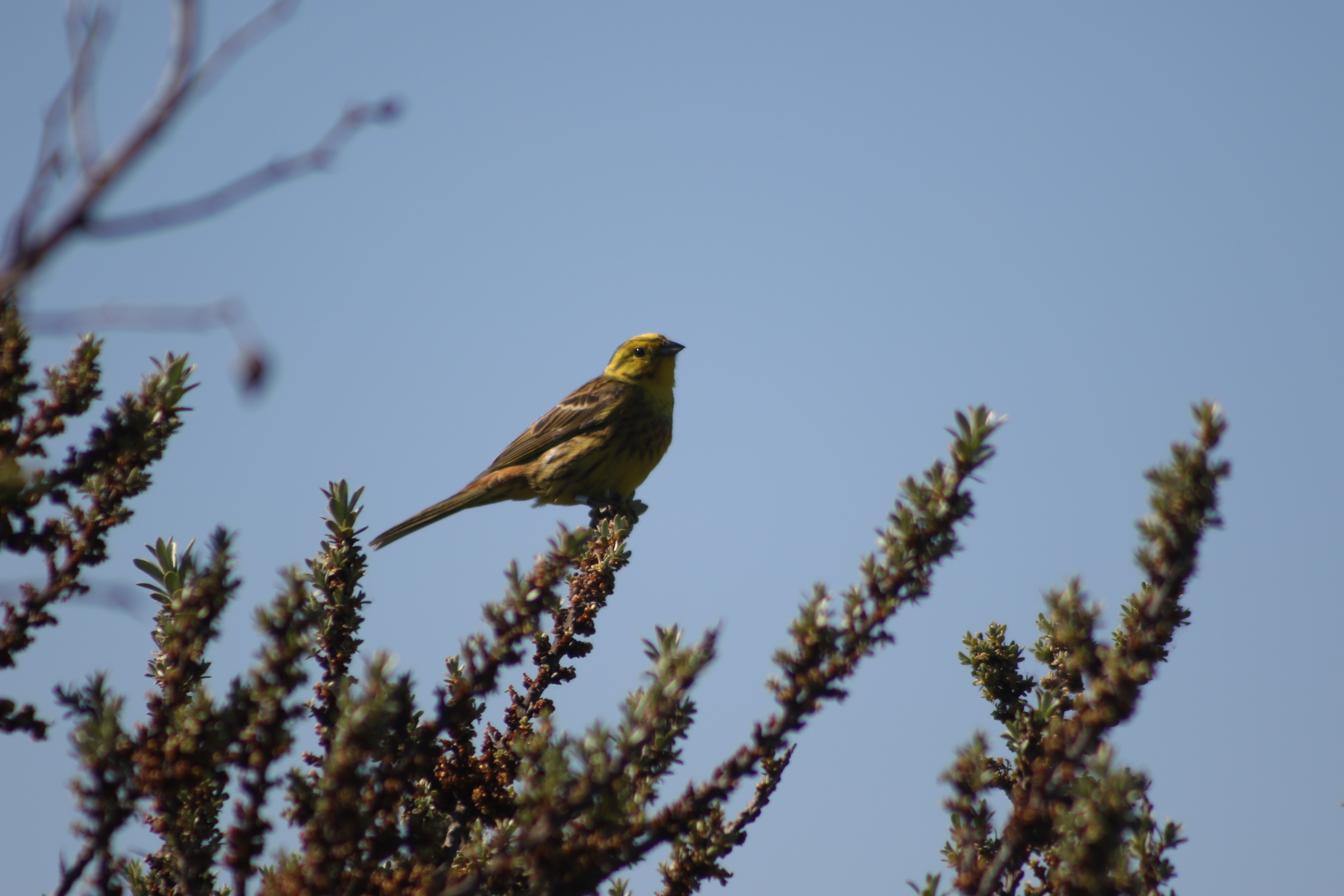
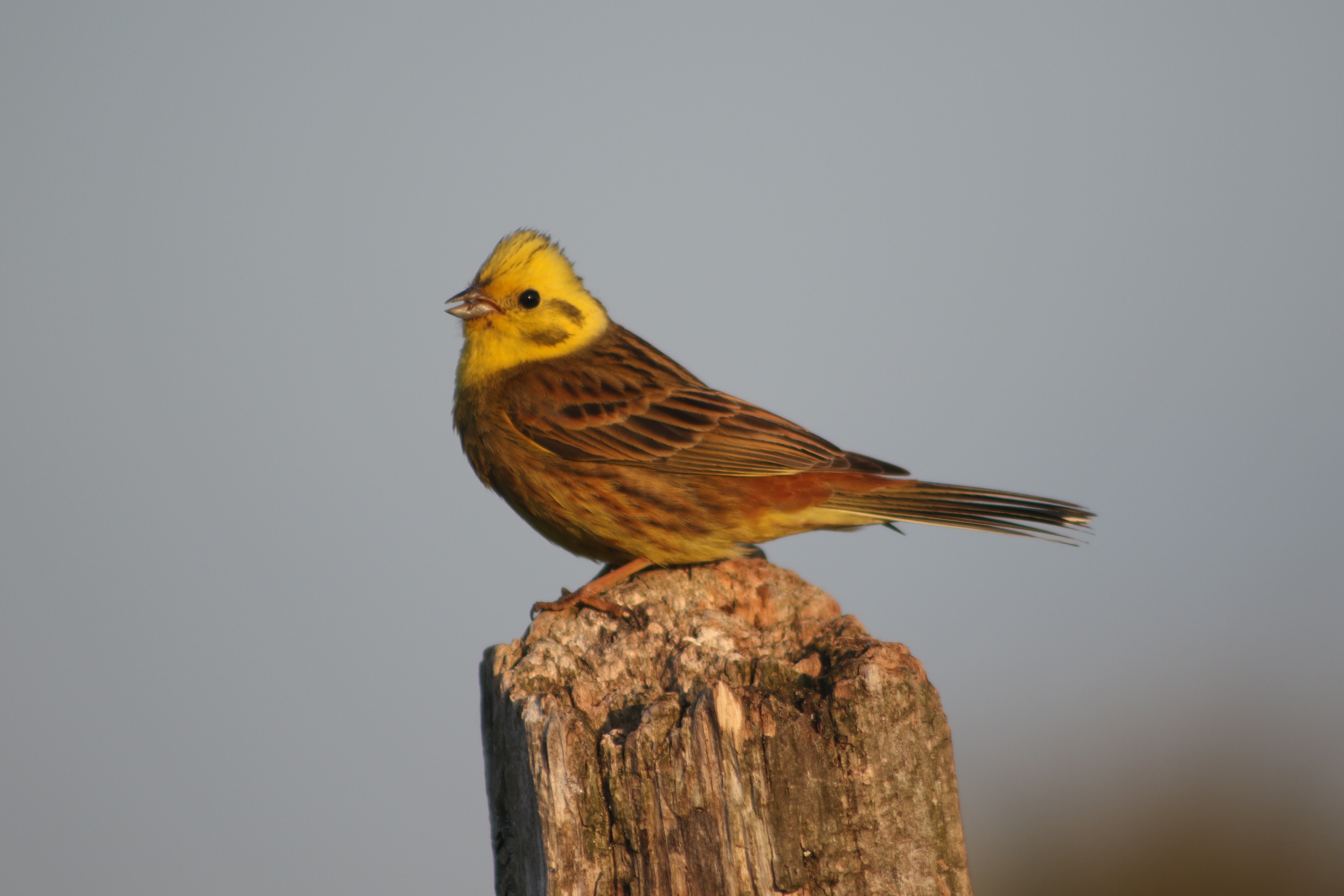
Male Yellowhammer
Male Yellowhammer


31st May:

Marsh Warbler
Marsh Warbler


2nd June:

Green Sandpiper below:

Green Sandpiper

Green Sandpiper

Green Sandpiper Upperwing

Green Sandpiper Tail Pattern

Green Sandpiper Underwing


Marsh Warbler

Marsh Warbler above and below

Marsh Warbler


Lesser Redpolls below:

Lesser Redpoll

Lesser Redpoll

Lesser Redpoll


3rd June:

Black Woodpecker
Black Woodpecker - although looks like a photo that would be used to claim Ivory-billed Woodpecker in America!

Tree Pipit
Tree Pipit

Male Grey Wagtail below:

Male Grey Wagtail

Male Grey Wagtail

Male Grey Wagtail

Male Grey Wagtail Upperwing

Male Grey Wagtail Upperparts

Male Grey Wagtail Undertail Coverts

Male Grey Wagtail Underwing

Male Grey Wagtail Tail

Male Grey Wagtail


White-tailed Eagle, Black Kite and Red Kite

Male 2cy Hawfinch below:

Male 2cy Hawfinch

Male 2cy Hawfinch

Male 2cy Hawfinch

Male 2cy Hawfinch Upperwing

Male 2cy Hawfinch Upperwing


Red Kites
Red Kites


4th June:

Great Northern Diver

Great Northern Diver above and below

Great Northern Diver

Male Red-backed Shrike below:

Male Red-backed Shrike

Male Red-backed Shrike

Male Red-backed Shrike

Male Red-backed Shrike

Male Red-backed Shrike


5th June:

Rufous Female Cuckoo

Rufous female Cuckoo above and below

Rufous Female Cuckoo


Black-throated Diver

Black-throated Divers above and below

Black-throated Divers

Adult Male Honey Buzzard
Adult male Honey Buzzard

Pale adult male Honey Buzzard below:

Pale Adult Male Honey Buzzard

Pale Adult Male Honey Buzzard

Pale Adult Male Honey Buzzard

Pale Adult Male Honey Buzzard


Adult Female Honey Buzzard
Adult female Honey Buzzard

Adult Female Honey Buzzard
Another adult female Honey Buzzard

Adult Male and Adult Female Honey Buzzard
Adult male and adult female Honey Buzzard

Black Kite below:

Black Kite

Black Kite

Black Kite


6th June:

Bittern
Bittern

Cranes
This pair of Cranes were flying high within the clouds

Marsh Warbler
Marsh Warbler


8th June:

Male Nightjar below:

Male Nightjar
One of the many mosquitoes wanted to be in the photo too!

Male Nightjar

Male Nightjar

Male Nightjar

Male Nightjar Upperwing

Male Nightjar Upperwing

Male Nightjar


9th June:

Sunrise below:

Sunrise

Sunrise

Sunrise

Spotted Flycatcher
Spotted Flycatcher

Osprey
Osprey

Male White Wagtail
Male White Wagtail


10th June:

Male Yellowhammer below:

Male Yellowhammer

Male Yellowhammer

Male Yellowhammer

Male Yellowhammer

Male Yellowhammer

Male Yellowhammer

Male Yellowhammer

Male Yellowhammer

Male Yellowhammer

Male Yellowhammer


Dark Adult Male Honey Buzzard
Dark adult male Honey Buzzard

Adult Female Honey Buzzard
Adult female Honey Buzzard

Adult Jay below:

Adult Jay

Adult Jay

Adult Jay

Adult Jay

Adult Jay

Adult Jay

Adult Jay


12th June:

Female Red-backed Shrike:

Female Red-backed Shrike

Female Red-backed Shrike

Female Red-backed Shrike

Female Red-backed Shrike


Adult female Crossbill:

Adult Female Crossbill

Adult Female Crossbill

Adult Female Crossbill

Adult Female Crossbill

Adult Female Crossbill


Juvenile Crested Tit
Juvenile Crested Tits


13th June:

Male Ringed Plover
Male Ringed Plover

Immature White-tailed Eagles below:

Immature White-tailed Eagles

Immature White-tailed Eagles

Immature White-tailed Eagles


14th June:

Rosefinch

Rosefinch above and below

Rosefinch


Adult Honey Buzzards below:

Adult Honey Buzzards

Adult Honey Buzzards

Adult Female Honey Buzzard

Adult Female Honey Buzzard

Adult Female Honey Buzzard

Adult Female Honey Buzzard

Adult Female Honey Buzzard

Adult Honey Buzzard


15th June:

Blyth's Reed Warbler below:

Blyth's Reed Warbler

Blyth's Reed Warbler


Blyth's Reed Warbler

Blyth's Reed Warbler

Blyth's Reed Warbler

Blyth's Reed Warbler


Blyth's Reed Warbler (left) with Reed Warbler for comparison:

Blyth's Reed Warbler and Reed Warbler

Blyth's Reed Warbler and Reed Warbler

Blyth's Reed Warbler and Reed Warbler
Blyth's Reed Warbler (right) with Reed Warbler


Paddyfield Warbler below:

Paddyfield Warbler

Paddyfield Warbler

Paddyfield Warbler

Paddyfield Warbler

Paddyfield Warbler

Paddyfield Warbler

Paddyfield Warbler

Paddyfield Warbler

Paddyfield Warbler


17th June:

Adult Female Honey Buzzard
Adult female Honey Buzzard


19th June:

Immature White-tailed Eagle below:

Immature White-tailed Eagle

Immature White-tailed Eagle

Immature White-tailed Eagle

Immature White-tailed Eagle

Immature White-tailed Eagle

Immature White-tailed Eagle


22nd June:

Adult male Honey Buzzard below:

Adult Male Honey Buzzard and House Martin
House Martin in background

Adult Male Honey Buzzard

Adult Male Honey Buzzard

Adult Male Honey Buzzard


Adult Honey Buzzard
Adult Honey Buzzard - some older females can look confusingly like males so I am always cautious with sexing birds unless I can see all features

Immature White-tailed Eagle

Immature White-tailed Eagle above and below

Immature White-tailed Eagle

Kestrel
Kestrel


23rd June:

Male Yellowhammer
Male Yellowhammer

Common Buzzard
Common Buzzard

Adult Honey Buzzard
Adult Honey Buzzard

House Martin

House Martin above and below

House Martin


Barn Swallows

Barn Swallows above and below

Barn Swallow


Male House Sparrow
Male House Sparrow


24th June:

Adult female Honey Buzzard:

Adult Female Honey Buzzard

Adult Female Honey Buzzard

Adult Female Honey Buzzard

Adult Female Honey Buzzard


25th June:

Red-necked Grebes below:

Red-necked Grebe

Red-necked Grebe

Red-necked Grebe

Red-necked Grebe

Red-necked Grebe


Male Wigeon
Male Wigeon

Cormorants below:

Cormorant

Cormorant

Cormorant


Black-headed Gull
Black-headed Gull

Mute Swan with Cygnet
Adult Mute Swan with cygnet


26th June:

Adult Female Honey Buzzard

Dark-headed but intermediate body adult female Honey Buzzard above and below

Adult Female Honey Buzzard


Adult Honey Buzzard

Adult (male?) Honey Buzzrad above and below

Adult Honey Buzzard


Grey Heron

Grey Heron above and below

Grey Heron


27th June:

Tree Pipit below:

Tree Pipit

Tree Pipit

Tree Pipit


Barn Swallow
Barn Swallow

Rosefinches below:

Male Rosefinch

Male Rosefinch

Rosefinches

Rosefinches

Rosefinches

Male Rosefinch


28th June:

Bee-eater below:

Bee-eater

Bee-eater and Swift
It began hawking with Swifts and Hirundines

Bee-eater


Black Kite
Black Kite

Icterine Warbler below:

Icterine Warbler

Icterine Warbler

Icterine Warbler


1st summer Steppe Eagle

1st summer Steppe Eagle above and below

1st summer Steppe Eagle


29th June:

Juvenile Goosander below:

Juvenile Goosander

Juvenile Goosander

Juvenile Goosander

Juvenile Goosander


30th June:

Immature White-tailed Eagle and Hooded Crow

Immature White-tailed Eagle above and below

Immature White-tailed Eagle


Lesser Black-backed Gull

Crested Tit

Crested Tit above and below

Crested Tit


Huge Ant Colony
Huge Ant Colony

Adult male Honey Buzzard below:

Adult Male Honey Buzzard

Adult Male Honey Buzzard

Adult Male Honey Buzzard

Adult Male Honey Buzzard

Adult Male Honey Buzzard


Stonechat
Stonechat

Arctic Skua and 2nd summer Long-tailed Skua

2nd summer Long-tailed Skua below:

2nd summer Long-tailed Skua

2nd summer Long-tailed Skua

2nd summer Long-tailed Skua

2nd summer Long-tailed Skua

2nd summer Long-tailed Skua

2nd summer Long-tailed Skua and Sandwich Tern
Regularly mobbed Sandwich Terns


Male Ringed Plover
Male Ringed Plover

Ringed Plover Chicks

Ringed Plover chicks above and below

Ringed Plover Chick


1st July:

Black Redstart

Black Redstart above and below

Black Redstart

White Wagtail
White Wagtail